WINTER HEALTH TIPS FOR CHILDREN’S ENERGY, MOODS AND SLEEP HABITS
Winter has its own personality. The light fades faster, mornings feel heavier, and even simple tasks can feel like wading through snow. For many children, this time of year brings extra activities just as their bodies are asking for more rest. The result? Low energy, unpredictable moods, and sleep that feels shallow.
Your children don’t need a total overhaul to feel better. What they need are winter wellness tips for kids: a handful of practical strategies as their parent can pull from on demand. This post will show you how to work with winter instead of against it—protecting their sleep, stabilizing their mood, and in turn sustaining their energy. Each kid’s wellness routine winter offers real-world steps, not lofty advice. Think of it as your children’s survival guide that also doubles as their self-care plan too.
Understanding Winter’s Impact on Your Children’s Body and Mind
Before jumping into solutions, it helps to know why winter feels so different. Three main factors are at play:
- Light exposure: Less daylight disrupts circadian rhythms, making it harder to feel alert in the morning and sleepy at night.
- Temperature shifts: Colder air and shorter days push the body toward energy conservation, which can feel like less energy.
- Social patterns: Winter busyness collides with a biological pull to rest, creating a mismatch between schedule and need.
Knowing this helps to remove the confusion of why your children might not be as energetic or enthusiastic as they are the rest of the year. With these Winter health tips for children, you can help your children to meet the season on its terms.
Part 1: Protecting their Sleep during Long Nights and Busy Days
Create a Light Routine
Our brains run on light cues. If we can’t get sun in the morning, Here are some suggestions;
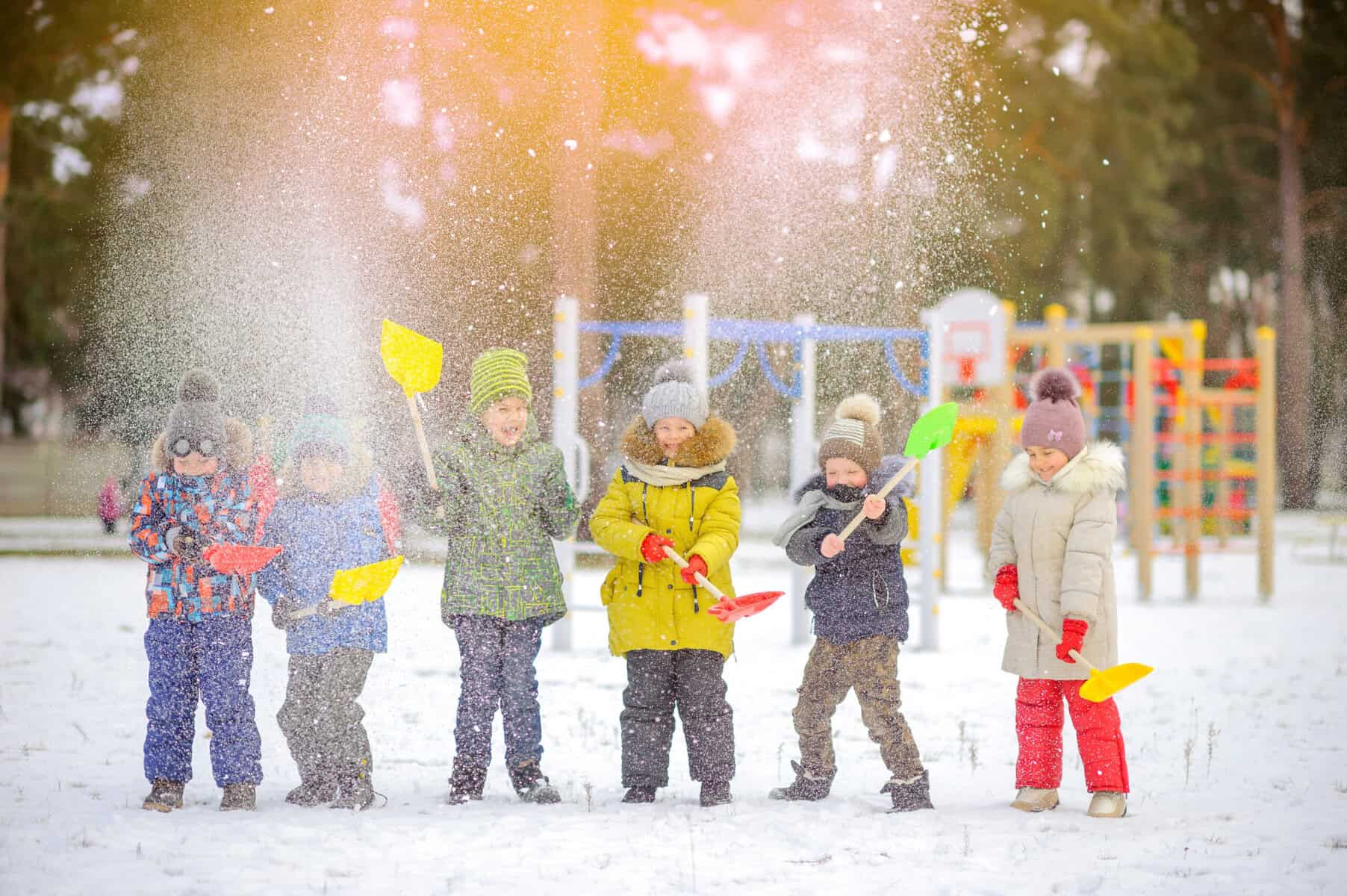
- Step outside within 30 minutes of waking, even if it’s cloudy. Outdoor light is 10x stronger than indoor bulbs. Even a few minutes before rushing off to homeschooling or school. Or even better playing outdoors when possible before anything else.
- If you are homeschooling, put your children’s desk and/or yours near a window when possible.
- Use a light therapy lamp for 20 minutes in the morning if your area stays dark. We haven’t tried this but I have heard from many that have had great success with it.
Winter Wind-Down Routine Kids Tips
Instead of forcing sleep, build a wind-down ritual that tells their body, the day is closing. Try this 3-step routine with them;
- Dim the lights after dinner.
- Reset one surface—a counter, a desk, or the dining table for the next day.
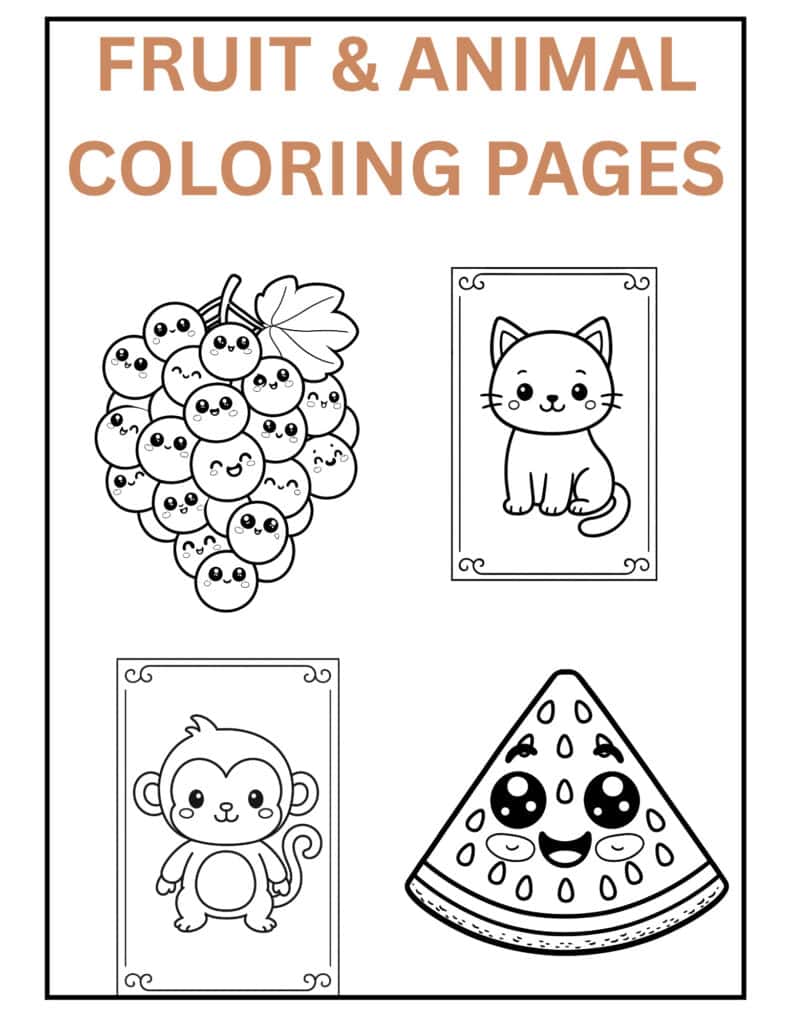
- Transition cues: have your kids change into play clothes or their pajamas, everyone can drink some herbal tea, listen to a calming playlist or something else they like and ideally screen-free activities like the fruit and animal coloring pages you can sign up at the bottom to receive the freebie
Over time, these signals train our bodies to relax.
Screen-Free Bedtime Tips for Children
Screens sabotage sleep by tricking our brains into thinking it’s daylight. Try a minimum 30-minute no-screens rule before bed depending on if you allow screens at all, I know every household is different, this might not be an issue for your children, but I suspect it is for many.
Replace video games or other screen activities with something low stimulation: like a paperback novel, stretching, journaling or children’s printables. Our Self Care Cards are an amazing pick!!
Part 2: How to Boost Kids Moods in Winter
The Power of Connection
Humans regulate emotions socially. Winter gatherings don’t always help, though—they can be overwhelming or surface-level. Balance them with smaller, intentional connections:
- We love to play card games and do puzzles together as a family this definitely helps for moments of connection.
- Plan play-dates ahead of time so everyone has something to look forward to. We always did these when my son was younger.
- Plan a simple ritual like “Soup Sundays” with friends and family.
These micro-connections keep loneliness at bay without exhausting your social battery.
Movement as Mood Medicine
Exercise is a proven mood booster, but winter requires a gentler definition of movement. Instead of chasing workouts, look for circulation cues:
- Minimum ten-minute walks (indoors at home, walking around if needed).
- Try out our free yoga alphabet poses for some wonderful ideas
- Movement and music suggestions here too
It’s less about their fitness and more about reminding their brains that your body is alive and moving.
Part 3: How to Support Kids Energy Levels in Winter
Food Ideas
Food influences energy more than most realize. Winter cravings often lean toward sugar or heavy carbs, which spike then crash your energy. Help your children choose or give them better options, you don’t always have to give them up—you just have to pair them well.
Examples:
- Cookies – Eat with a handful of almonds or seeds to balance blood sugar. Or even better bake healthier ones like the chocolate chip cookies in our Make your own cookbook
- Pasta – Add beans, chicken, or ground beef tomato sauce or roasted vegetables. For some tasty, easy to make with your children recipes check out our Healthy Food on a Budget
- Hot cocoa -Pair with toast and nut butter for staying power. Also try making your own, it’s very easy and delicious to make your own but this way you can use healthier ingredients and it’s a great recipe for kids to make if they are old enough. See our own recipe below.
Hot Cocoa
1 large serving or 2 small servings
Ingredients:
- 1 1/2 cups milk (we prefer almond milk)
- 1 1/2 tbsp cocoa (more child-friendly) or cacao powder
- 1 tbsp pure maple syrup
- 1/2 tsp coconut oil (optional but it makes it creamier, better with cacao)
- 1/4 tsp cinnamon (optional)
Instructions:
- In a small pot, heat milk on a medium to high burner till almost boiling.
- Take the pot off the burner and whisk in or use a hand blender the cocoa powder and maple syrup.
- Mix until well blended.
- Add in coconut oil if using.
- Sprinkle with cinnamon if using
- Enjoy!
Hydration That Doesn’t Feel Like a Chore
Cold weather makes water less appealing. Warm alternatives work just as well:
- Herbal teas like peppermint are favorites in our home. Loose teas are best if possible. The hot cocoa recipe above is another good option if caffeine doesn’t keep you awake at night.
- Warm lemon and honey water, Honey is also really good for us especially if you buy it from a local apiary.
- Broth-based soups, definitely a favorite in the winter months here.
We always have our mugs close to us, so we remember to keep drinking healthy liquids.
Screen-free Mood Boosters for Kids
- Run around outside playing tag for at least 10 minutes of fresh air
- Do some simple stretches together or yoga like our A B C Yoga poses
- Do a “five senses reset” together name something you can see, hear, touch, smell, and taste.
Part 4: Natural Ways to Boost Kids Mood
Light Your Spaces Wisely
- Replace bright overhead bulbs with softer lamps.
- Use candles or fairy lights to make rooms feel cozier.
- Keep blinds and curtains open during the day, even if it’s gray or rainy etc, this is definitely a must for us.
Cozy Places for Better Mental Health
Designate a spot for rest: a chair with a blanket, a table with a book, a corner with art supplies or some of our printables. When your kids sit there, they are screen-free. Their body will learn the association over time.
Conclusion
Winter doesn’t have to mean slogging through fatigue and mood dips for you or your children. By working with the season—using light strategically, protecting sleep, balancing meals, leaning on connection, and creating calm environments—you will all build resilience.
These Winter Health tips for children are about making small changes that will have a big impact during this season. It’s about giving your children’s body and mind the small supports they need to feel steady. When you stack enough of these supports, the short days stop feeling like an obstacle and start feeling like an invitation: to slow down, to soften, and to notice the beauty winter has always offered.
Whether you’re a homeschooling parent, a classroom teacher, you’ll find the Fruit and Animal Coloring Book to be a valuable resource in promoting a screen-free activity. Download our free Fruit and Animal Coloring Book printable today! Just enter your information below.